
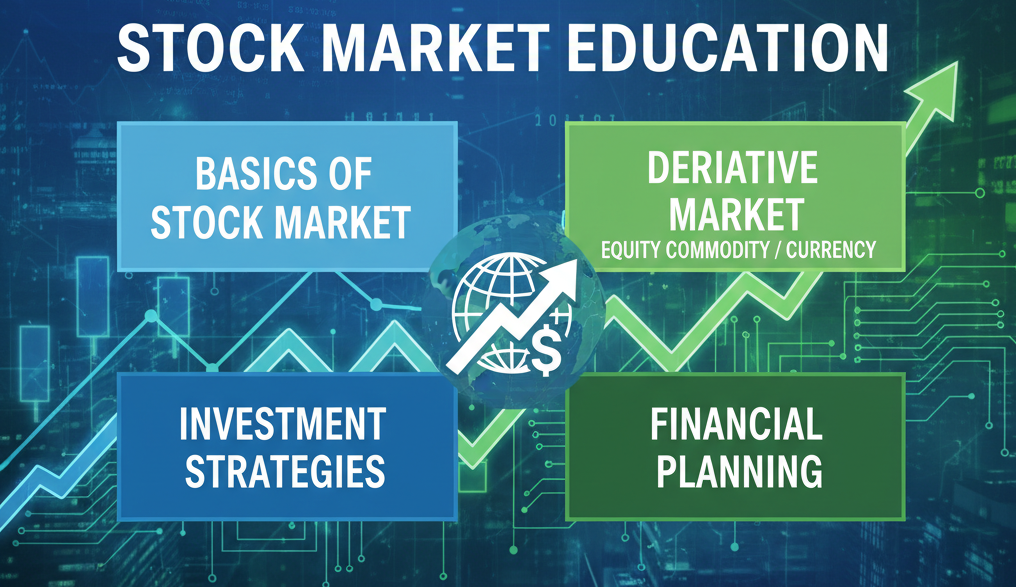
What is Stock Market Education
Stock market education is the structured process of acquiring the knowledge and skills necessary to understand, analyze, and participate effectively in financial markets, particularly the stock market. It serves as the foundation for informed decision-making, enabling individuals to transition from passive savers to active investors or traders. The core goal of this education is to teach market mechanics, investment strategies, and crucial risk management principles to help individuals achieve their long-term financial goals and build wealth. Without this fundamental understanding, participation in the stock market often devolves into speculation and emotional, high-risk decision-making.
Key Components of Stock Market Education
Stock market education covers both theoretical concepts and practical analytical skills, broken down into several essential modules:
| Component | Description | Primary Goal |
| Market Basics & Terminology | Understanding what a stock, share, index (e.g., SENSEX, Nifty), IPO, and stock exchange are. Learning key terms like bull/bear market, order types (market, limit), and trading vs. investing. | Establish a foundational vocabulary and context for the market. |
| Fundamental Analysis (FA) | The study of a company’s financial health, including analyzing financial statements (Balance Sheet, Income Statement, Cash Flow), economic factors, and industry trends to determine a stock’s intrinsic value. | Identify high-quality, long-term investment opportunities (Value Investing). |
| Technical Analysis (TA) | The study of price action, chart patterns (e.g., Head and Shoulders), and trading indicators (e.g., Moving Averages, RSI) to predict short-term price movements and timing. | Identify entry and exit points for trading. |
| Risk & Money Management | Learning how to diversify a portfolio, determine appropriate position sizing, and implement strategies like stop-loss orders to limit potential losses. | Protect capital and ensure portfolio stability. |
| Psychology & Discipline | Understanding the emotional pitfalls (fear, greed, FOMO) that affect trading and investing, and developing the discipline to stick to a predefined investment plan. | Mitigate emotional decision-making and ensure long-term consistency. |
The Value of Stock Market Education
By covering these areas, formal education empowers investors to interpret financial news, evaluate a company’s true value versus its market price, and construct a diversified portfolio tailored to their personal risk tolerance and financial goals. Knowledge of fundamental and technical analysis allows individuals to make evidence-based decisions, reducing reliance on unsolicited tips or market hype. Ultimately, a structured education is the necessary first step to navigating the market’s complexities confidently and strategically, transforming a high-risk activity into a managed effort toward wealth creation and financial independence.



Leave a Reply