Preparation is Key To Success
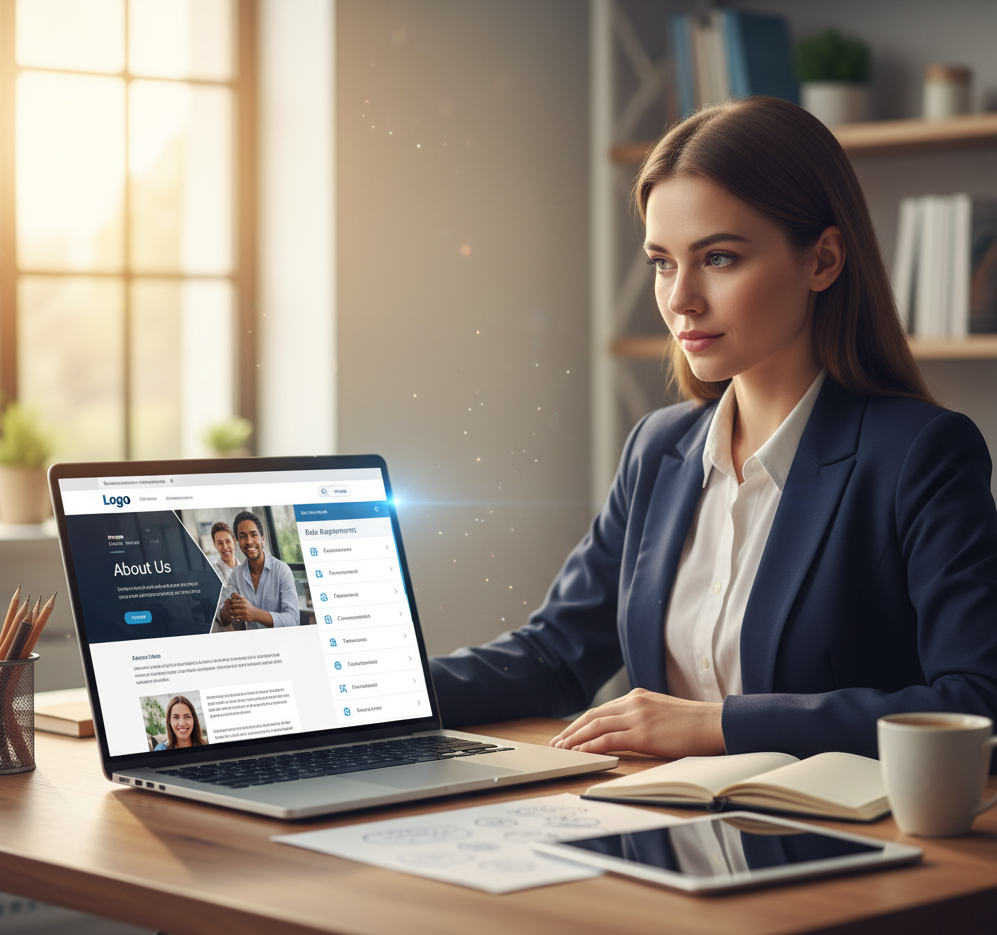
- Thoroughly Research the Company: Go beyond the “About Us” page. Look up their recent news, projects, and mission statement.
- Understand the Job Description: Know the core responsibilities and skills required for the role inside and out.
- Prepare Specific Examples: Use the STAR method (Situation, Task, Action, Result) to structure your answers for behavioral questions.
- Practice Common Questions: Prepare and rehearse answers for questions like “Tell me about yourself,” and “Why do you want to work here?”
- Identify Your Weaknesses (Professionally): Choose a skill you’re actively working to improve, not a character flaw.
- Review Your Resume: Be prepared to discuss any point on your resume in detail, especially relevant projects or experiences.
- Know the Interviewer’s Name and Role: If possible, look up your interviewer on LinkedIn to understand their background.
- Prepare Thoughtful Questions for Them: Have at least 3-5 good questions ready to ask the interviewer about the role, team, or company culture.
On Interview Day

- Dress Appropriately: Choose attire that is professional, clean, and wrinkle-free. When in doubt, lean towards business formal.
- Arrive Early: Aim to arrive 10-15 minutes before the scheduled time. For a virtual interview, log in 5 minutes early.
- Bring Necessary Items: Have extra copies of your resume, a notepad, and a pen ready to take notes.
- Silences Your Phone: Ensure all notifications and your ringer are off before the interview starts.
- Maintain Good Body Language: Sit up straight, make eye contact, and offer a firm handshake (for in-person interviews). Nod to show you’re listening.

During the Interview
- Listen Carefully: Pay close attention to the interviewer’s questions to ensure your answer is relevant and directly addresses what they asked.
- Speak Clearly and Confidently: Take a breath before answering and speak at a moderate pace. Avoid mumbling or rushing.
- Be Honest and Authentic: Don’t exaggerate your skills or experience. Be yourself!
- Focus on Achievements, Not Just Tasks: When describing past work, emphasize the results and impact of your actions. Use metrics when possible (e.g., “Increased efficiency by 15%”).
- Stay Positive: Never speak negatively about past employers, colleagues, or experiences.
Following Up
- Express Your Gratitude: Thank the interviewer for their time at the end of the meeting.
- Send a Follow-up/Thank You Email: Send a personalized email within 24 hours, reiterating your interest and briefly mentioning a key takeaway from your conversation.